10 Signs Your Commercial HVAC System Needs an Upgrade
Running a commercial building requires reliable heating, ventilation, and air conditioning to keep tenants, employees, or customers comfortable and productive. Over time, even well-maintained systems can lose efficiency, struggle to meet demand, or deliver uneven comfort. Recognizing the warning signs early can save money, prevent downtime, and ensure a healthy interior environment. This article outlines ten key signals that indicate it may be time to call in experts for commercial HVAC services and consider upgrading your system.
Increase in Energy Costs Despite Same Usage
One of the clearest indicators is a gradual yet consistent rise in utility bills — even when building occupancy and usage haven’t changed. Older or worn-out HVAC equipment must work harder to heat or cool the space, drawing more electricity or fuel. When you see energy bills climbing month after month without a corresponding increase in activity, your commercial HVAC system may have lost its efficiency. Investing in updated equipment through trusted commercial HVAC services can restore energy performance and save on operational costs while also reducing environmental impact.
Frequent Repairs and Maintenance Calls
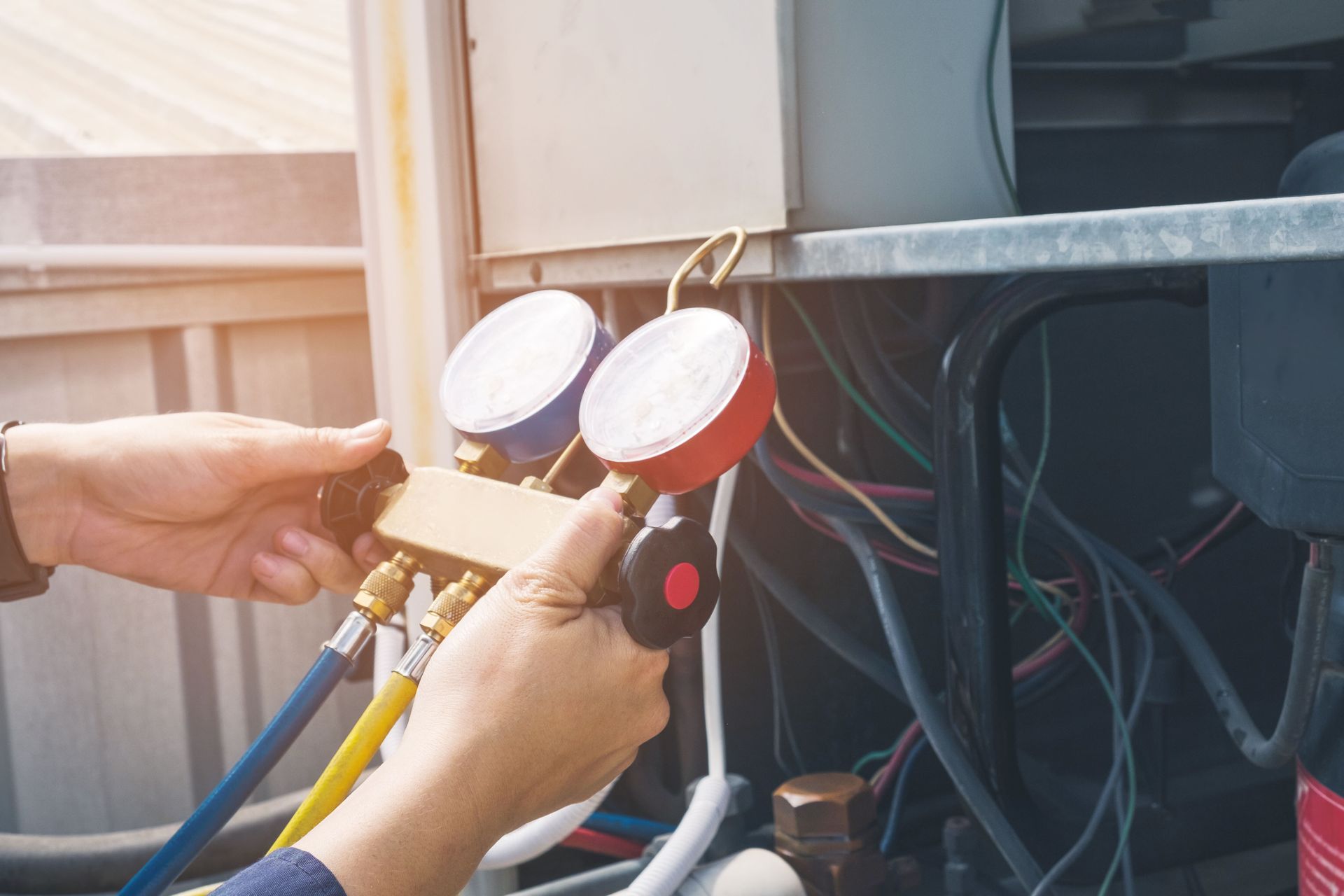
If you find yourself regularly calling technicians for breakdowns, repairs, or strange behavior — from refrigerant leaks to failing compressors — that’s a red flag. Frequent fixes increase downtime, disrupt business operations, and add up quickly. A system that requires constant attention can no longer guarantee reliability. When repair visits become routine rather than occasional, it may be time to explore replacement options with reputable commercial HVAC services to minimize ongoing disruption and expense and to ensure a smoother workflow in your facility.
Uneven Temperature or Humidity Across Building Zones
In larger commercial spaces, outdated HVAC systems often fail to maintain consistent temperatures or humidity levels across different zones. Some rooms may stay too warm, others too cold; humidity may vary from one area to another. This inconsistency can create discomfort, reduce productivity, and even damage sensitive equipment or materials. Upgrading to a modern system with proper zoning and airflow management through professional commercial HVAC services can restore balanced temperature and humidity control throughout the facility, improving comfort and operational efficiency simultaneously.
Strange Noises, Vibrations, or Unusual Odors
Clicking, banging, grinding, or hissing sounds coming from HVAC equipment are warning signs of mechanical stress, worn bearings, or failing components. Similarly, musty or burnt smells may point to mold, electrical problems, or overheated parts. These issues can compromise system performance and indoor air quality, and may even pose safety hazards. When unusual noises or odors persist, it’s often more effective to consider a system upgrade rather than repeatedly patching aging equipment. Skilled experts in commercial HVAC services can diagnose the issue and recommend a durable, efficient solution that lasts for years.
Poor Air Quality or Ventilation Problems
Dust, odors, stale air, or uneven airflow within a commercial building often signal that the HVAC system or ductwork is no longer functioning effectively. Inadequate ventilation can result in increased indoor pollutants, which may affect health, comfort, and even regulatory compliance. Modern commercial HVAC systems are designed to handle proper air circulation, filtration, and ventilation for large buildings. If your facility shows signs of degraded air quality despite regular maintenance, it may be time to upgrade and rely on comprehensive commercial HVAC services to ensure optimal air quality and occupant safety.
System Frequently Cycles On and Off (Short Cycling)
If your HVAC units turn on and off repeatedly within short intervals, this “short cycling” indicates inefficiency — often due to an oversized or worn-out system, refrigerant issues, or failing components. Short cycling increases wear on the system, drives up energy use, and reduces comfort as temperature fluctuates. Persistent cycling is a strong signal that the system cannot reliably meet demand. In such cases, replacement with a modern, properly sized unit via professional commercial HVAC services often offers a more cost-effective, durable solution and ensures consistent performance across all zones.
Excessive Noise or Vibration from Equipment Rooms or Rooftop Units
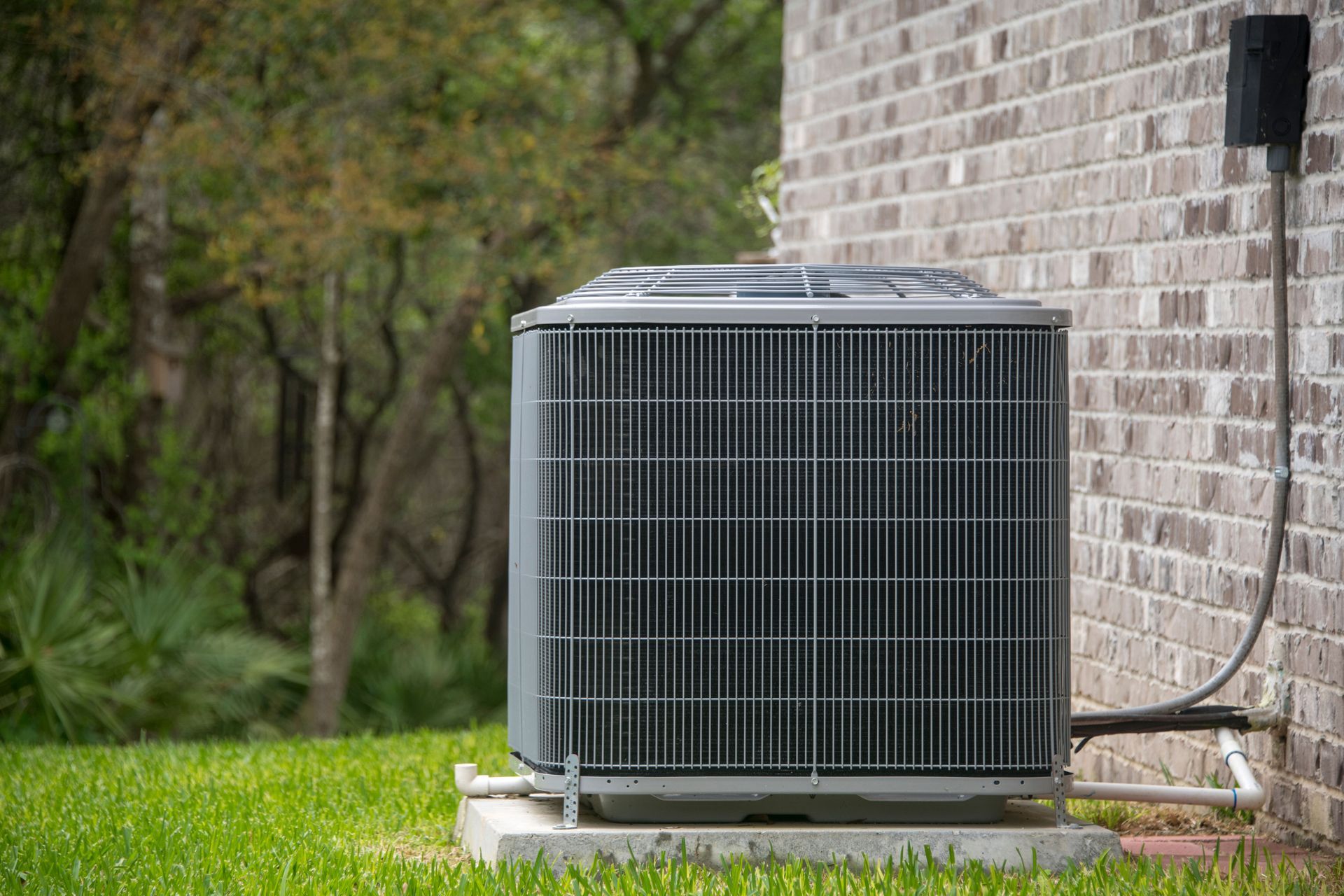
For commercial buildings, HVAC equipment is often located in mechanical rooms or on rooftops. If you begin to notice excessive vibration, louder-than-normal operation, or structural stress around those areas, it suggests the system is struggling under load. This increased strain can worsen over time, possibly leading to sudden failures or damage to building infrastructure. Upgrading to newer, lighter, and more efficient units mitigates these risks. Relying on trained technicians who provide commercial HVAC services ensures a smooth transition during replacement with minimal disruption to building operations.
Outdated Equipment That No Longer Meets Demand
As your business grows or building usage changes — with expanded occupancy, additional equipment, or altered operating hours — an older HVAC system may struggle to keep up. Equipment installed many years ago may not offer the capacity, zoning, or efficiency needed for modern demands. Rather than overworking an outdated system, upgrading through reputable commercial HVAC services ensures your facility is equipped to handle current and future load requirements. This proactive approach supports both comfort and operational reliability over time, reducing emergency calls and unexpected downtime.
Age-Related Wear and Inefficiency
Even with regular maintenance, HVAC systems degrade over time. Components wear out, seals loosen, insulation degrades, and internal parts lose efficiency. Commercial HVAC systems often require professional servicing every three to six months to maintain performance. According to SkillCat, that frequency contrasts with residential systems, which typically get maintenance once a year — highlighting just how much demand is placed on commercial systems. When an older unit shows persistent inefficiencies despite frequent care, it's a strong sign that replacement may yield better long-term performance, reliability, and energy efficiency.
Risk of Complete Failure or Unexpected Downtime
When a system becomes unreliable — breaking down at critical times, struggling to maintain temperature, or showing uneven performance — the risk of total failure looms larger. For a commercial building, unexpected downtime can disrupt business operations, frustrate tenants or customers, and lead to financial losses. Investing in a system upgrade through experienced commercial HVAC services helps safeguard against these risks. A modern, robust system with up-to-date components reduces the chance of sudden failures and delivers consistent performance under load, keeping your building comfortable year-round.
Increase in Lifecycle Cost and Decreasing Return on Repairs
At a certain point, the cumulative cost of repairs, part replacements, and increased energy bills outweighs the value of keeping the existing system. When expenses escalate and reliability decreases, ongoing maintenance becomes less economical. Upgrading the HVAC system can reduce total lifecycle costs, improve energy efficiency, and offer more reliable performance for years ahead. Coordinating with professional commercial HVAC services ensures that the new installation is correctly sized, optimized, and compliant with safety and efficiency standards, ultimately protecting the bottom line and improving operational predictability.
Recognizing the warning signs of an aging commercial HVAC system is key to maintaining a comfortable, safe, and efficient building environment. Rising energy costs, frequent breakdowns, uneven comfort, poor air quality, and outdated equipment can collectively signal that it’s time for an upgrade. By partnering with qualified providers of commercial HVAC services, building owners can ensure new installations are properly designed, installed, and maintained — safeguarding comfort, reducing downtime, and improving long-term operational costs. Addressing issues before they escalate helps protect both property and people while delivering dependable climate control for years to come. Are you having issues with your commercial HVAC system? Don't wait! Call Kimbro Air for more information today!

Share On: