8 Common HVAC Issues That Disrupt Commercial Operations
In the fast-paced world of commercial operations, ensuring a comfortable indoor environment is pivotal to maintaining productivity and customer satisfaction. Heating, ventilation, and air conditioning systems play a crucial role in achieving this balance across offices, retail spaces, healthcare facilities, and industrial buildings. When these systems fail or underperform, the effects can extend beyond discomfort to lost revenue, reduced employee efficiency, and dissatisfied customers. This article explores the most common HVAC problems that commercial establishments face and explains how a proactive approach supported by commercial HVAC service can help manage these challenges effectively. Consistent system performance is not only a comfort issue but also a strategic business consideration that affects daily operations and long-term planning.
1. Lack of Regular Maintenance
Regular maintenance is one of the most important factors influencing HVAC reliability and performance in commercial environments. Scheduled inspections allow technicians to identify minor issues before they escalate into costly failures. Components such as belts, coils, filters, and motors require consistent attention to function efficiently. Without a routine maintenance schedule, systems are more likely to experience sudden breakdowns during peak operating periods. According to SkillCat, commercial HVAC systems are usually serviced every 3 to 6 months, whereas residential ones typically get maintenance once a year. A structured maintenance plan coordinated through commercial HVAC service helps businesses maintain consistent indoor comfort while protecting long-term equipment investments.
Neglecting maintenance often leads to reduced efficiency, higher energy consumption, and unexpected system downtime. Worn components can place additional strain on the system, causing cascading failures that affect multiple areas of a facility. For businesses that depend on controlled environments, these disruptions can directly impact operations. Regular servicing reduces wear and tear, stabilizes performance, and minimizes operational interruptions that interfere with daily business activities. Over time, consistent upkeep also improves budgeting accuracy by reducing surprise repair costs.
2. Inadequate Airflow
Inadequate airflow is a common issue in commercial HVAC systems and is often caused by blocked vents, dirty filters, or damaged ductwork. When airflow is restricted, conditioned air cannot circulate properly throughout the building, resulting in uneven temperatures and discomfort. Identifying airflow problems early allows businesses to address obstructions, repair ducts, and restore balanced air distribution. These corrective measures support consistent comfort across workspaces and customer areas.
Poor airflow also reduces overall system efficiency by forcing equipment to work harder to meet temperature demands. This increased workload accelerates component wear and drives up energy costs over time. Facilities that rely on professional commercial HVAC service benefit from routine inspections that identify airflow issues before they compromise system performance. Maintaining clear ducts and clean filters ensures efficient operation and lowers the risk of premature equipment failure while also improving indoor air quality for occupants.
3. Thermostat and Control System Issues
Thermostats and control systems serve as the communication hub for commercial HVAC equipment. When these controls malfunction, systems may cycle improperly, deliver inconsistent temperatures, or fail to respond to occupancy needs. Common issues include faulty sensors, calibration errors, and connectivity problems in digital control systems. These malfunctions can lead to discomfort and unnecessary energy use if left unresolved.
Modern control systems offer advanced features such as scheduling, zoning, and remote monitoring, which can significantly improve efficiency when properly configured. Leveraging these features requires correct installation and periodic evaluation to ensure settings align with building usage patterns. Businesses that incorporate professional commercial HVAC service into their operations gain access to technicians who understand how to optimize control systems for both comfort and energy management. Effective controls also support sustainability goals by reducing unnecessary heating and cooling.
4. Refrigerant Leaks and Cooling Problems
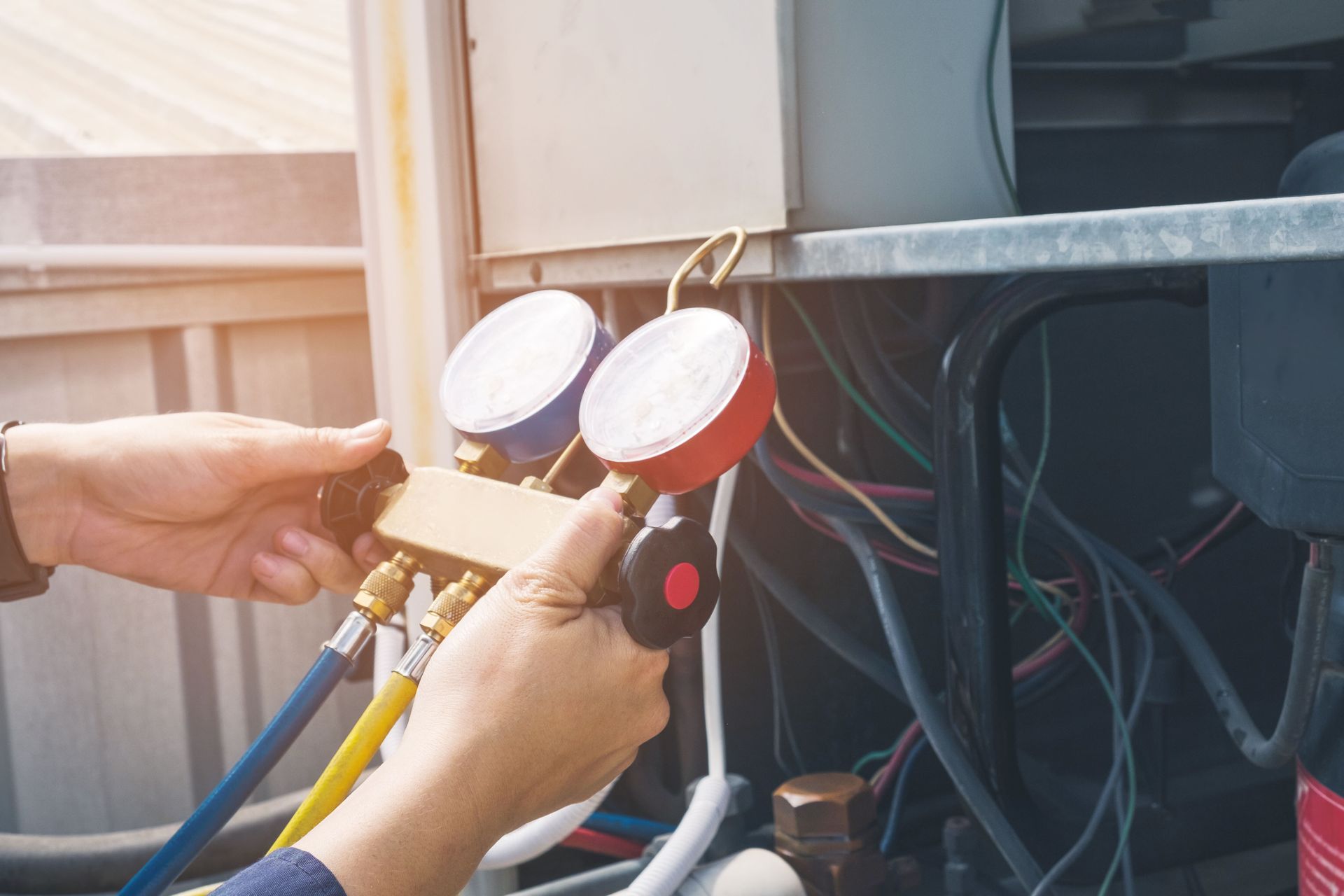
Refrigerant leaks are a serious issue that can severely impact cooling performance in commercial HVAC systems. Signs such as fluctuating temperatures, unusual noises, and rising energy bills often indicate underlying refrigerant problems. Low refrigerant levels reduce the system’s ability to absorb heat, leading to inadequate cooling and inconsistent indoor conditions. Early detection is critical to preventing more extensive damage.
Leaks may result from corrosion, aging components, or improper installation practices. Over time, even small leaks can compromise system efficiency and increase operational costs. Addressing refrigerant issues promptly through qualified commercial HVAC service helps restore proper cooling capacity and prevents additional strain on compressors and related components. Timely intervention also helps avoid regulatory concerns related to refrigerant handling and environmental compliance.
5. Electrical and Power-Related Issues
Electrical problems within HVAC systems pose both performance and safety risks in commercial settings. Warning signs such as tripped breakers, flickering lights, or buzzing noises should never be ignored. These symptoms may indicate loose connections, failing capacitors, or overloaded circuits. Left unaddressed, electrical faults can lead to equipment damage or safety hazards.
Routine electrical inspections help identify vulnerabilities before they result in system failure or compliance issues. Maintaining proper electrical connections supports reliable operation and reduces the likelihood of unexpected shutdowns. Businesses that schedule regular commercial HVAC service benefit from thorough evaluations that prioritize safety, efficiency, and regulatory compliance, helping protect both property and personnel.
6. Inefficient System Design and Sizing
An HVAC system that is poorly designed or improperly sized for a building can create persistent performance issues. Oversized systems may short-cycle, while undersized systems struggle to meet demand, leading to uneven temperatures and excessive wear. Inefficient design often results in higher energy usage and frequent maintenance requirements that strain operational budgets.
Assessing building-specific requirements is essential for ensuring system effectiveness. Factors such as square footage, occupancy levels, equipment heat loads, and future expansion plans must be considered. Customized solutions developed with experienced professionals help align system capabilities with operational needs. Thoughtful design supported by commercial HVAC service allows businesses to achieve consistent comfort while optimizing efficiency and reliability over the long term.
7. Operational Impact of Unresolved HVAC Issues
When HVAC problems persist, the consequences extend beyond comfort concerns. Employees may experience reduced productivity in uncomfortable environments, while customers may shorten visits or form negative impressions of the business. In regulated industries, improper temperature control can also create compliance challenges. Addressing HVAC issues promptly supports smooth operations and protects brand reputation.
Unresolved HVAC inefficiencies can also affect long-term planning by increasing operational uncertainty and maintenance variability. Facilities managers may struggle to allocate budgets accurately when systems operate unpredictably. Over time, this lack of reliability can divert resources away from growth initiatives and capital improvements. Establishing a proactive service strategy helps stabilize performance, improves forecasting accuracy, and supports better decision-making at the organizational level.
8. Aging Equipment and End-of-Life Systems
As commercial HVAC systems age, their ability to operate efficiently and reliably declines. Older equipment often lacks the energy efficiency, control precision, and reliability of modern systems, leading to frequent repairs and rising operating costs. Components wear down over time, and replacement parts may become harder to source, increasing downtime when failures occur. Aging systems are also more susceptible to breakdowns during periods of peak demand, which can disrupt business operations.
Evaluating the remaining lifespan of HVAC equipment allows businesses to plan proactively rather than react to emergencies. Strategic upgrades or phased replacements coordinated through commercial HVAC service help organizations avoid sudden capital expenses and improve long-term performance. Modern systems often deliver better energy efficiency, enhanced comfort control, and improved reliability, making equipment replacement a forward-looking investment rather than a last-resort decision.
Commercial facilities depend on reliable HVAC systems to maintain comfortable, safe, and productive environments. Common issues such as poor maintenance, airflow restrictions, control failures, refrigerant leaks, electrical problems, and inefficient design can all disrupt operations if left unresolved. By recognizing these challenges and addressing them proactively, businesses can protect their systems and reduce long-term costs. Contact our team at Kimbro Air today and get connected to our heating and air conditioning services.

Share On: